Agentic Harness Engineering Discipline: The New Way to Ship AI
Agentic harness engineering discipline is about building a harness that tests agents like real software. This guide shows what to simulate, what to validate, and what to enforce.

Agentic harness engineering discipline is about building a harness that tests agents like real software. This guide shows what to simulate, what to validate, and what to enforce.
The OpenClaw release bot mindset makes AI releases safer with clear steps, required checks, and solid handling of messy inputs. Start with gates and test it like a system.
Agentic frameworks and swarm architectures help multiple AI agents coordinate by roles, with checks and stop rules. Learn patterns and a simple swarm template to build reliable workflows.
OpenCrabs 2026 is a self-hosted AI agent focused on reliability. The latest updates improve Telegram edit handling, tool-call parsing for Xiaomi MiMo, and Linux restart behavior.
The EndConversation tool in AI agents can stop abusive sessions early. Learn how to design risk checks, safe exit messaging, and logs.
Secure AI tool calling with SecretRef helps agents use tools without exposing secrets. Learn the build pattern, redaction rules, and tests to verify safety.
Autonomous Worker Agents are getting safer for CI thanks to Detached Turns and Interruptible Tools. Learn a step by step workflow with approvals and audit trails.
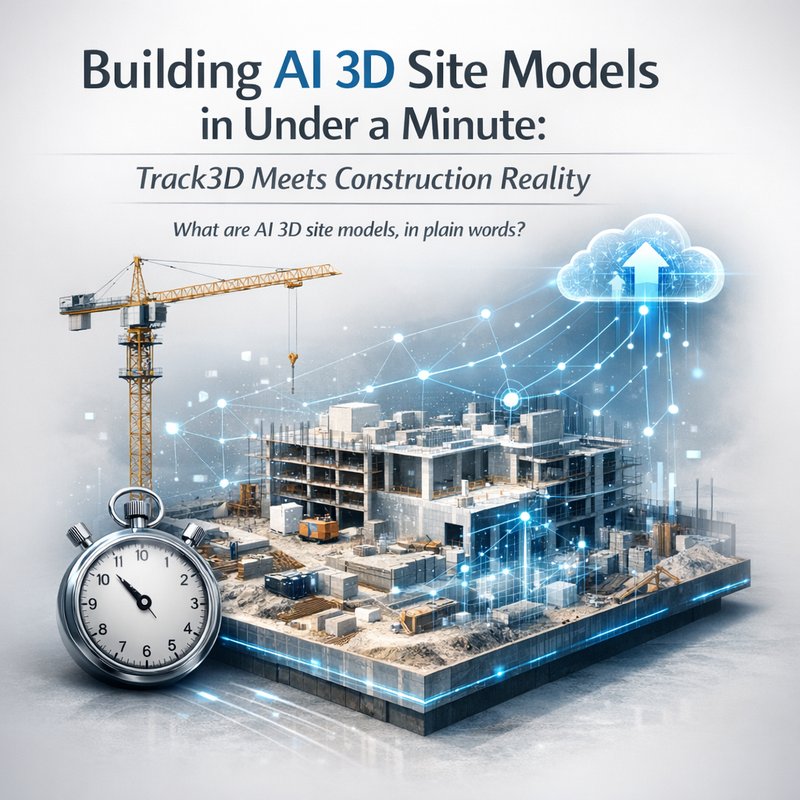
AI 3D site models can now be generated from smartphone footage in under a minute. Here’s a practical workflow, what to check, and why Reality Intelligence matters for construction teams.
Auto Mode default behavior is becoming the default for enterprise AI agents on Bedrock, Vertex AI, and Foundry. Learn what to verify and how to keep tool use safe.
Self-improving autonomous AI agents get reliable by handling real failures. This guide explains Open Crabs reliability fixes and how to test your own loops.