Harness-of-Harness (HoH) Agent Loops: How Structured Iterations Build Better Apps
Harness-of-Harness (HoH) agent loops keep a project state across planning, coding, and testing iterations. Learn how to build this pattern for your own AI agents.

Harness-of-Harness (HoH) agent loops keep a project state across planning, coding, and testing iterations. Learn how to build this pattern for your own AI agents.
Gemini 3.8 Flash Cyber can support fast, defensive security help. Learn how to build a safer agent workflow with tool limits, risk gates, and triage testing.
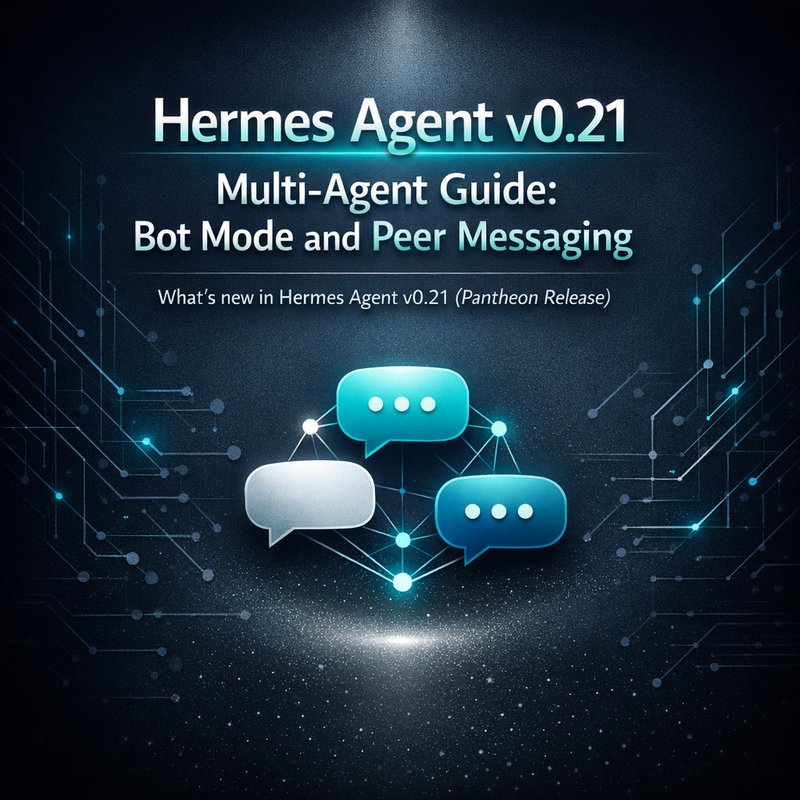
Hermes Agent v0.21 brings Bot Mode for persistent named agents and hermes peer for direct agent-to-agent messaging. Learn what changed and how to set it up safely.
OpenCode v1.18.22 updates Bedrock compatibility and removes outdated pricing messaging. Learn a safer rollout plan with CI gates and clean logs.
AI grounding feedback functions score groundedness and relevance at runtime. Learn how to wire scoring into agent actions and avoid ungrounded answers.
Outbound webhooks for AI agents let your system receive signed lifecycle events like session activity and tool completions. Learn how to verify HMAC signatures and build a reliable timeline.
Classifier-based safety gates can cut interruptions by only stopping for high-risk actions. Learn how auto-continue agents change workflows and what to test.
Recent data claims the Claude Code Auto Mode classifier caught 89% of dangerous commands. See what this means for safer agent workflows and tool use.
Agentic self-healing workflows help AI agents recover from failures safely. Learn practical steps to validate tool calls and handle chat edge cases.
Self-healing OpenCrabs agents make automation more reliable by fixing phantom intent detection, improving tool-call parsing, and handling Telegram message timing. This article breaks down what changed and how to apply the same ideas to your own agent runs.