OpenCrabs Xiaomi MiMo Collaboration: Free 2-Week Trial
The OpenCrabs Xiaomi MiMo collaboration offers developers a free 2‑week trial of Xiaomi’s MiMo‑v2.5‑Pro. Enjoy unlimited tokens, no API key, and a 1‑million‑token context window.

The OpenCrabs Xiaomi MiMo collaboration offers developers a free 2‑week trial of Xiaomi’s MiMo‑v2.5‑Pro. Enjoy unlimited tokens, no API key, and a 1‑million‑token context window.
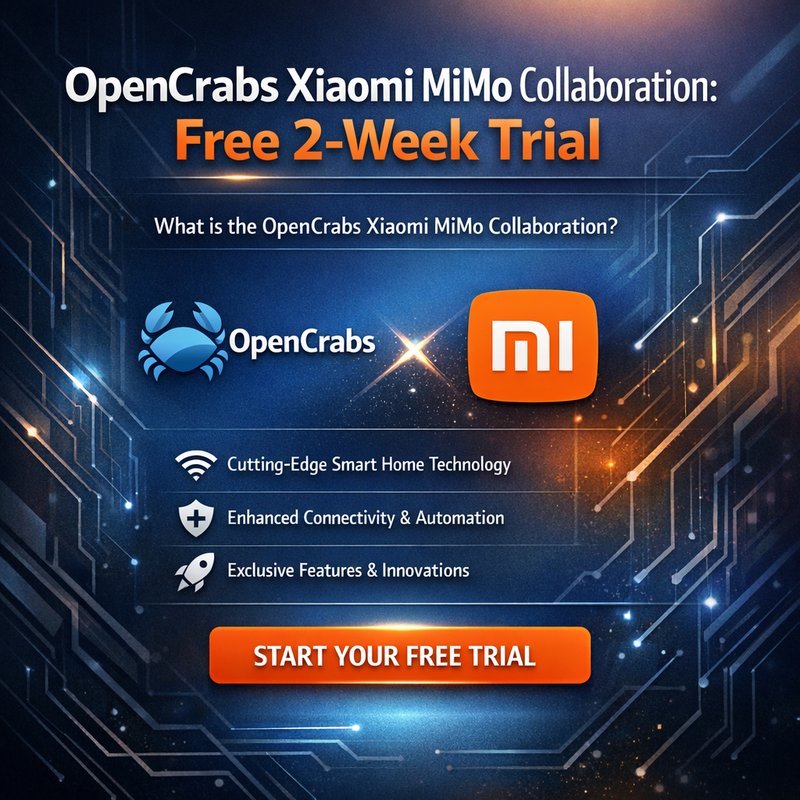
The OpenCrabs Xiaomi MiMo Collaboration offers a free 2‑week trial with unlimited tokens and a 1M token context window. No credit card is needed, and the agent runs locally.
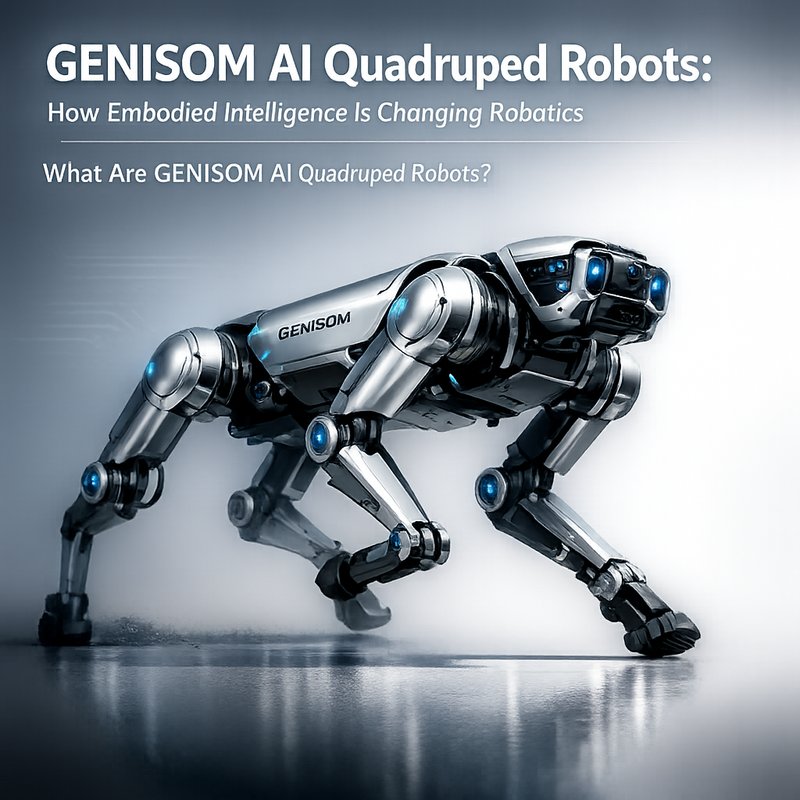
GENISOM AI quadruped robots are a new type of robot that can walk, run, and learn from the world. Their embodied intelligence lets them adapt quickly, making them useful for search and rescue, farming, delivery, and more.
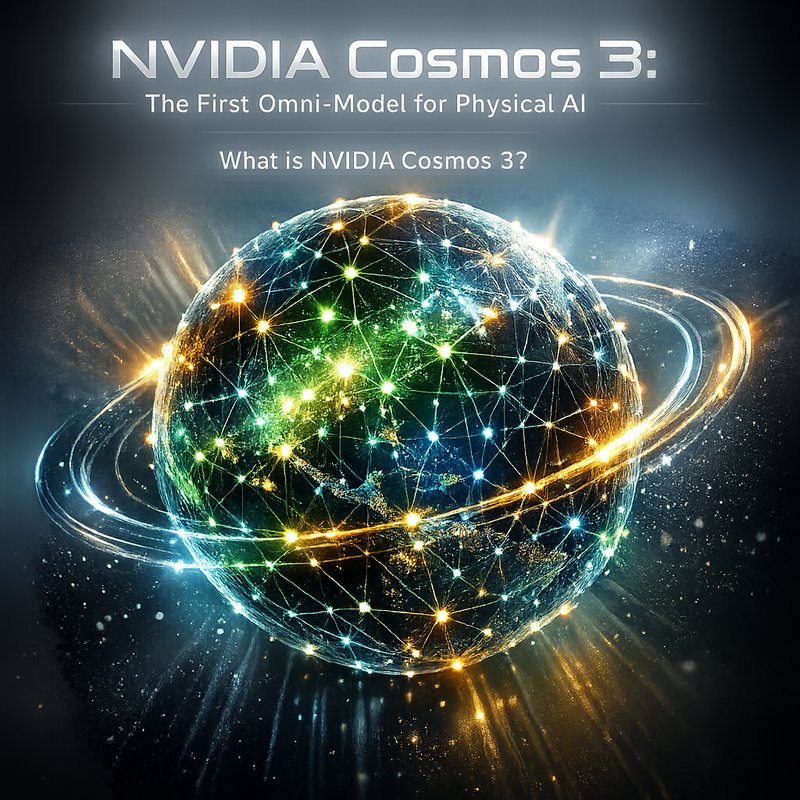
NVIDIA Cosmos 3 is the first omni‑model that can think about the real world and act in it. It blends text, vision, and action in one fast package, making it ideal for robots, drones, and smart devices.
Qwen 3.7‑Max‑Preview introduces a 1M token context window, enabling large‑scale text processing and smarter AI workflows.
Fast‑Slow Training is a new training method that keeps AI models from forgetting old tasks while learning new ones. It uses slow weights for core knowledge and fast weights for quick adaptation.

Truelens is an AI‑powered compliance engine that automates building regulation checks, saving contractors time and money.
MIT’s SEAL framework lets large language models generate their own training data and edit themselves, making AI systems more autonomous and cost‑effective.
Frontman AI tool is an open‑source bridge that lets AI agents interact with a live web app by exposing the DOM, logs, and events as MCP resources.
OpenCrabs AI Agent is a self‑hosted, self‑healing bot that lets developers run AI locally with multi‑profile support and custom tool integration.