
Browser AI Agents Guide is a simple, practical manual for anyone who wants to use AI inside the web browser.
This article explains what browser agents do, why they matter, and how to start using them today. You will find clear steps, tool examples, and tips that work for developers, creators, and product teams.
Browser AI Agents Guide appears in the first paragraph to make the topic clear right away.
What a browser AI agent is
A browser AI agent is a small program that runs in your web browser and helps you do real tasks.
Think of it like an assistant that lives in a browser tab. It can read pages, fill forms, click buttons, gather research, or help you write and test code.
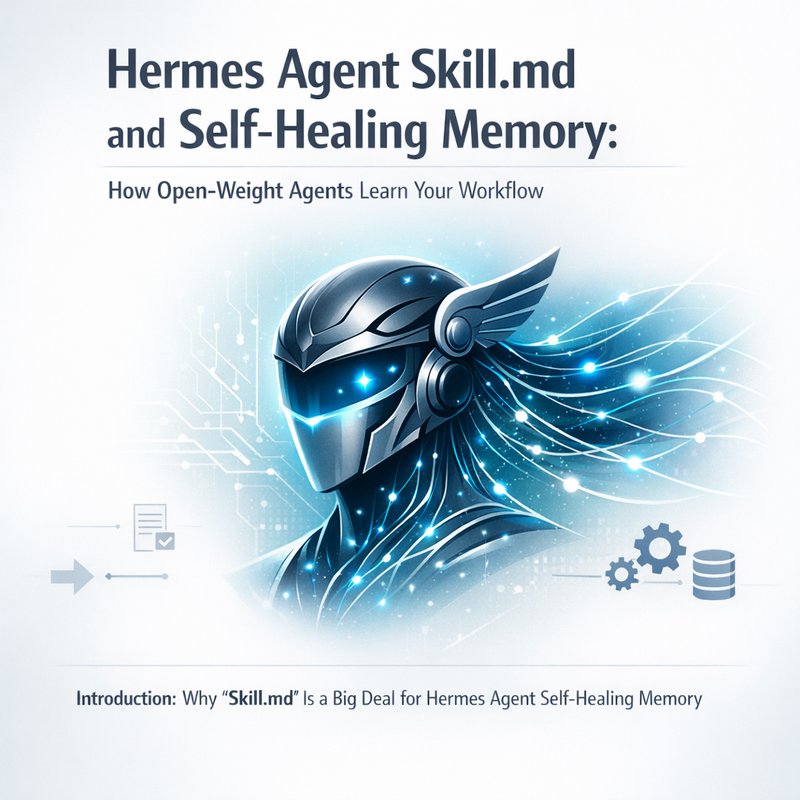
Browser AI Agents Guide covers both simple helpers and powerful control room tools like the Hermes Browser Agent that act as dashboards.
Why use a browser agent instead of a cloud app?
- It is fast because it runs where your data already is.
- It can access the page DOM to interact with live content.
- It can act without sending every action to a remote server.
- It is easier to try out and tweak while you use the web.
If you want to try a real tool, check Hermes at https://hermes-ai.net and see how a browser control room looks in action.
Why browser AI agents matter right now
These days AI models are better at following small steps and tools. Browser agents put that power directly in your tab.
New models like Gemma 4 and GPT-5.5 Instant are built to handle more complex tasks with less memory. That makes them a good fit for browser-based helpers.
- Gemma 4 12B is tuned for small GPUs and laptop use, which hints at models optimized for tight memory and local use. See Google for the Gemma 4 writeup: https://blog.google
- OpenAI moved to GPT-5.5 Instant for default chat, which improves general research and "computer use" skills. See GitHub or OpenAI updates for details.
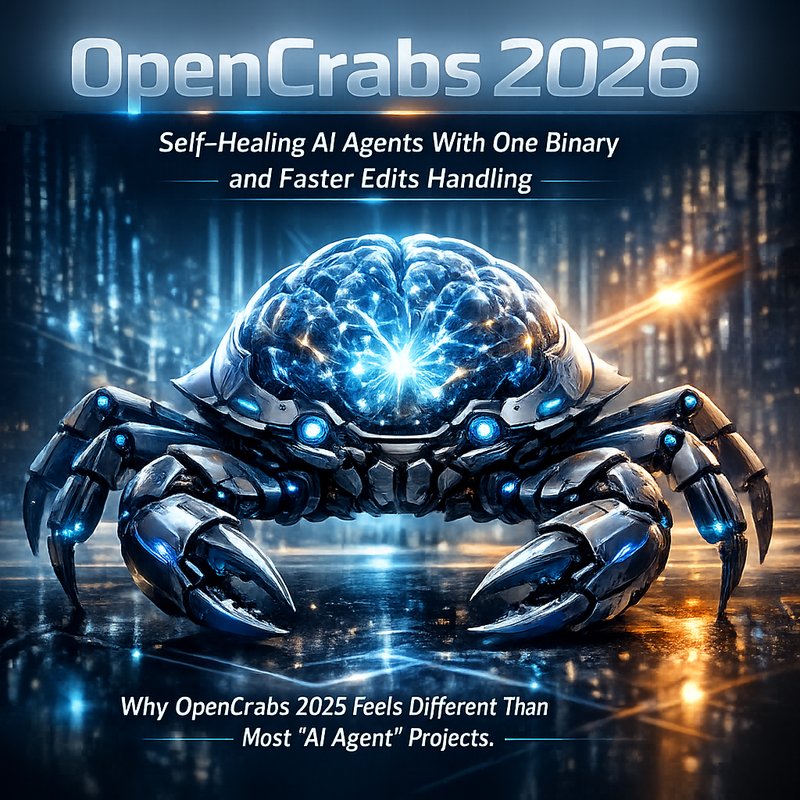
At the same time, projects like OpenCrabs show how self-hosted agents can stay running and self-update. See OpenCrabs on GitHub: https://github.com/adolfousier/opencrabs
Putting agent logic in the browser creates a fast, testable, and private workspace. This is handy for anyone who wants to build tools that act where users already work.
Types of browser AI agents
Browser AI Agents Guide helps you pick the right agent for your needs. Here are common types.
- Page helper agents: read content on a single page and offer summaries, highlights, or suggested replies.
- Research agents: collect and compare info across multiple tabs and return main points.
- Automation agents: fill forms or click through a series of steps for testing or repetitive tasks.
- Agent dashboards: combine many agents and let you route tasks between them, like Hermes.
- Local-first agents: use on-device models or small cloud models to keep data private.
Each type fits different users. If you run research or design, a research agent is useful. If you test websites, an automation agent saves time.
How browser agents work under the hood
Browser agents interact with three main parts: the page, the model, and the tools.
- Page access: agents read the DOM, detect forms, or grab text from a page. They do this via content scripts or extensions.
- Model access: agents talk to a language model using an API, a local binary, or a web service.
- Tool access: agents can call browser APIs, local scripts, or external services for tasks like screenshots or file read.
Many agents use an action loop: read, plan, act, and report. The agent will fetch the page, ask the model what to do, perform a DOM action, then return the result.
If you want a prebuilt product space to experiment, check Neura ACE at https://ace.meetneura.ai and the Neura Router at https://router.meetneura.ai which connect to many models.
Quick setup: build a basic browser AI agent
Here is a simple plan you can use to build a browser helper.
-
Choose the platform
- Chrome, Edge, or Brave use Chrome extensions.
- Firefox uses WebExtensions.
- Or use a bookmarklet and a small server.
-
Create a content script
- This script will read page text and send it to the background script.
-
Add a background script
- This receives page content, sends it to a model API, and handles replies.
-
Connect to a model
- Use an API key safely stored in the background script.
- Try a small endpoint first: Gemma 4 style models or GPT-5.5 Instant if available.
-
Add UI
- A popup or sidebar shows results and gives action buttons.
-
Test with a few pages
- Try news, docs, and web apps to see how well it extracts info.
This quick plan gives you a working agent in a few hours. If you want more depth, open the Neura Artifacto tool at https://artifacto.meetneura.ai for content and model experiments.
Example: build a research agent that summarizes tabs
Goal: a tool that reads open tabs and creates a short report.
Steps:
- Read titles and content from each tab using the extension API.
- Combine key paragraphs into one prompt chunk.
- Send a request to a model asking for a short summary with bullet points.
- Return the summary in a popup and store it in local storage.
Why this works: modern models can handle multiple short chunks. If the model cannot fit everything, send the most important paragraphs first.

If you run into token limits, split the job into steps: summarize each tab, then summarize the summaries.
Privacy and safety tips
Browser agents can see everything you see. Design with care.
- Ask for minimal permissions. Only request tab and storage access if you need it.
- Keep sensitive keys out of content scripts. Use a background script or server.
- Let users control data retention. Offer an easy clear history button.
- For public builds, add clear UI labels when actions are automated, like clicking or submitting forms.
- Consider local models for sensitive data. Gemma 4 12B style models are designed to run on small GPUs and may enable local-only agents.
Neura offers tools like Neura Keyguard to scan for leaked keys in frontends at https://keyguard.meetneura.ai. That tool can help keep agent builds secure.
Advanced patterns and orchestration
Scaling agents from one tab to a workspace needs routing and state.
- Router agents: direct tasks to specialized agents based on user intent. Neura Router at https://router.meetneura.ai is an example of a single API endpoint that connects to many models.
- Memory: store short notes about the user workspace and recent actions so agents can pick up context later.
- Tool use: let the model call well defined tools for web searches, file reads, or screenshots.
- Agent chains: one agent gathers data, another verifies facts, and a third creates final output.
A browser control room like Hermes provides a single place to view many agents, live logs, and quick replays. Read more at https://hermes-ai.net
OpenCrabs shows how self-hosted agents can manage updates and failures automatically. See OpenCrabs release notes on GitHub: https://github.com/adolfousier/opencrabs
Models to choose for browser agents
Pick a model that fits the job and the resources you have.
- Small local models: run on-device or on a small server for privacy. Gemma 4 12B is built to be efficient for 16GB VRAM laptops. See Google blog for details: https://blog.google
- Cloud APIs: use GPT-5.5 Instant or other cloud endpoints for heavy lifting. These are fast and easier to integrate.
- Hybrid: use local models for sensitive parts and cloud models for heavy research.
If you need many small calls, favor models with low latency and stable pricing. For private data, prioritize models you can host yourself.
Tooling and libraries
You do not need to start from scratch. Use libraries that simplify extension and agent work.
- Puppeteer or Playwright are great for automation testing and work well with browser agents during development.
- n8n can help build backend flows to process results from agents and connect to other services. See new community flows at https://n8n.io
- Use the Neura apps to test content and API routing: https://meetneura.ai and https://meetneura.ai/products
Real world uses and case studies
Browser agents help in many roles.
- Journalists: gather sources and summarize interviews across tabs.
- Designers: collect examples and export images or specs.
- QA engineers: run repetitive tests and record results.
- Sales teams: auto-fill leads from web pages and prepare outreach drafts.
Neura case studies show how agents can automate real tasks. Check case study examples at https://blog.meetneura.ai/#case-studies
One noteworthy workflow: a research agent collects data across ten tabs, summarizes each, and then produces a slide outline. That cut the prep time for a meeting from hours to twenty minutes.
Common pitfalls and how to avoid them
Some traps keep projects stuck.
- Over-permissioned extensions: only ask for what you need.
- Too many model calls: batch text to avoid rate limits and cost spikes.
- No error handling: add clear recovery steps when the model is unavailable.
- Hidden input fields: some pages block scripts, so test on the target sites.
OpenCrabs changelog shows careful handling of tool failures, logging, and structured tracing as good patterns. See the OpenCrabs repo for examples: https://github.com/adolfousier/opencrabs
A small checklist to launch your first browser agent
- Decide the main task for the agent.
- Pick a target model and test it.
- Build a minimal extension with content and background scripts.
- Add a small UI for user control.
- Test on multiple sites and handle errors.
- Add privacy settings and a clear delete history button.
If you want a ready toolset for content and SEO tasks, try Neura ACE at https://ace.meetneura.ai
Future directions
Browser agents will get better as models become cheaper and smaller. Expect more local-first agents and richer control rooms.
Hermes shows how browser dashboards can centralize agent control. OpenCrabs shows how agents can be self-hosted and resilient. Both paths matter.
Will more apps let you run agents without code? Probably yes. Tools that let non-developers combine page actions and model calls will make agents common.
Wrap up and next steps
Browser AI Agents Guide gave a hands-on view of what browser agents are, how they work, and how to build one.
If you want to start today:
- Try a small extension that summarizes the current tab.
- Test local or cloud models to find the right mix.
- Use tools like Neura Router and Neura Artifacto to speed up experiments: https://router.meetneura.ai and https://artifacto.meetneura.ai
Browser AI Agents Guide ends with a concrete call to action: pick one small task and build an agent for it this week.