EU AI Act Transparency Rules: What Robotics Teams Must Do Next
EU AI Act transparency requirements are coming for physical AI and robots. This guide shows what to document, how to log decisions, and how to test explanations.

EU AI Act transparency requirements are coming for physical AI and robots. This guide shows what to document, how to log decisions, and how to test explanations.
Agentic frameworks and swarm architectures help multiple AI agents coordinate by roles, with checks and stop rules. Learn patterns and a simple swarm template to build reliable workflows.

A hands on guide to OpenCrabs Xiaomi Mimo integration with a two week free trial from June 12 to June 26. Covers setup, fixes, and examples for safe testing.
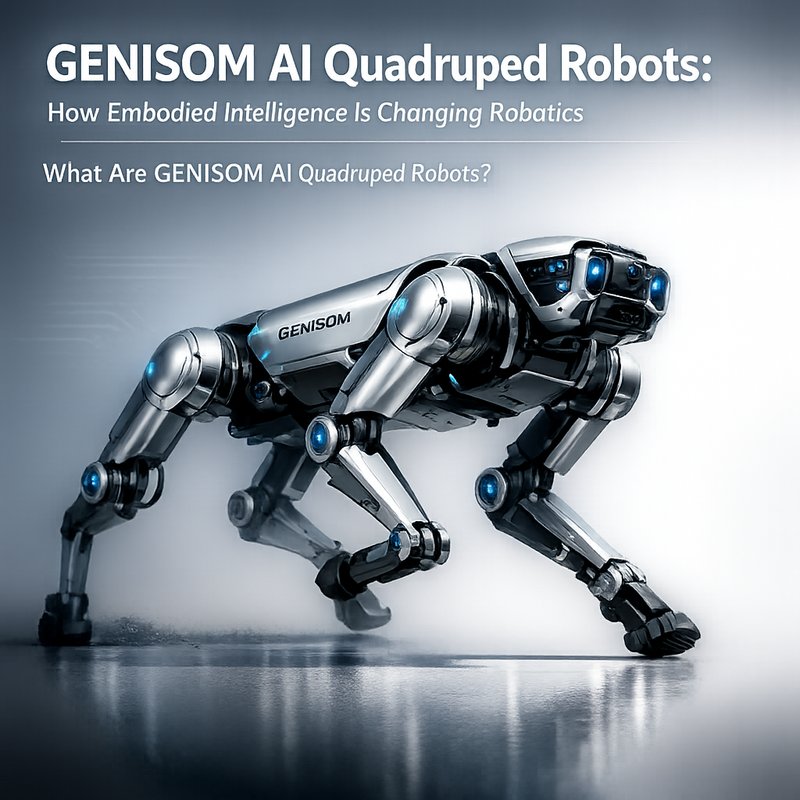
GENISOM AI quadruped robots are a new type of robot that can walk, run, and learn from the world. Their embodied intelligence lets them adapt quickly, making them useful for search and rescue, farming, delivery, and more.
NVIDIA Cosmos 3 is the first omni‑model that can think about the real world and act in it. It blends text, vision, and action in one fast package, making it ideal for robots, drones, and smart devices.
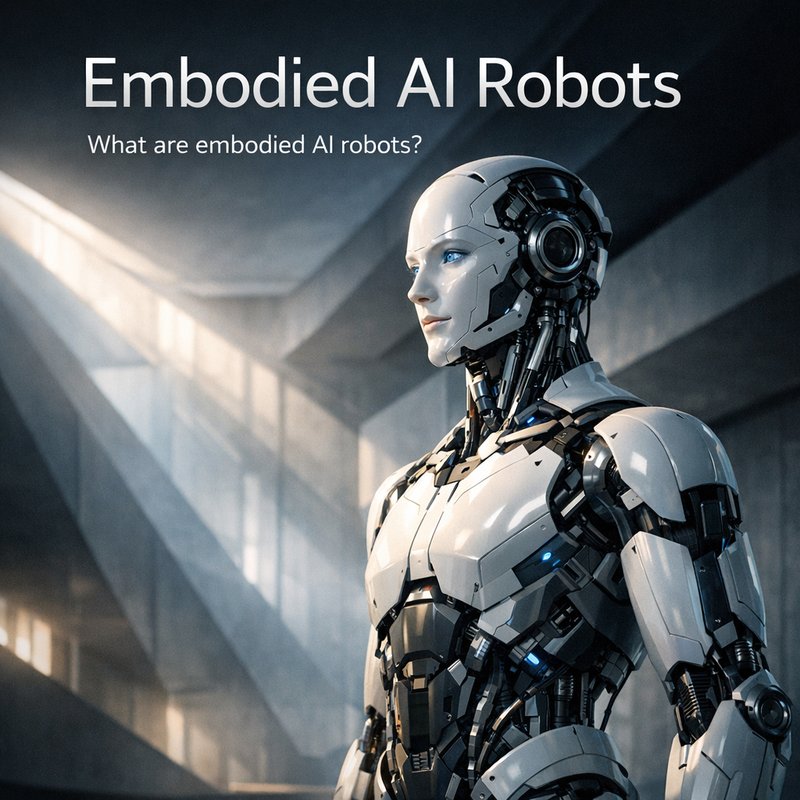
Practical guide to embodied AI robots, covering models, tools, safety, and a 6 week pilot plan to start building real world robot helpers.

VLA-JEPA robots learn actions from unlabeled videos by predicting latent actions. This guide explains the idea, tools, a simple experiment, and safety tips.

Drone swarm AI lets you build small, autonomous fleets that can map crops, deliver medicine, or aid in emergencies. This guide covers data, training, deployment, and future trends.

MIT researchers are using generative AI for robotics to train machines in virtual environments. Robots learn to jump, land and even dive without manual reprogramming.

IBM's AI-Driven Evolution: Navigating Layoffs and Pioneering New Frontiers In the ever-evolving landscape of technology, IBM stands [Read more]