Browser AI Agents Guide
A practical, step-by-step guide to building browser AI agents. Learn setup, model choices, privacy best practices, and real examples.

A practical, step-by-step guide to building browser AI agents. Learn setup, model choices, privacy best practices, and real examples.
A clear, practical guide to Agent First IDEs with steps to start small, stay safe, and use modern tools for agent-driven workflows.
Parallel Agent Mode in Cursor 2.0 lets you run up to eight AI agents at once, each on its own branch. This speeds up feature delivery, reduces merge conflicts, and keeps your codebase clean.
Amazon Nova Act is the new AI tool that automates web tasks without any coding. Describe your goal in plain language and let the agent do the rest—saving time and reducing errors.
This guide dives into the latest agentic AI tools—Antigravity IDE, Cursor 2.0, Notion Blueprint Agents, Browser.ai, and top open‑source LLMs—showing how they streamline coding, testing, and collaboration.
AI agent automation is reshaping browser workflows. This guide explains how tools like DeepAgent, Agent 365, and Antigravity use models such as Gemini 3 Pro to automate tasks, with step‑by‑step instructions for developers and teams.
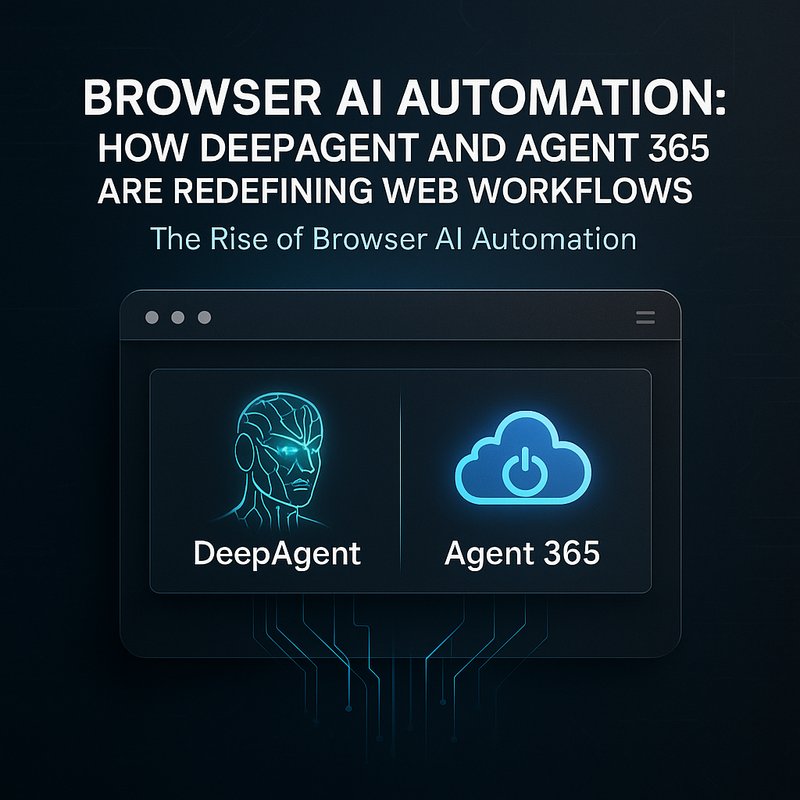
Browser AI automation lets machines perform tasks inside your web browser, freeing you to focus on higher‑level work. This article explores DeepAgent, Microsoft’s Agent 365, their technical foundations, real‑world use cases, and how to start using them.
Vibe coding turns natural language prompts into full‑stack applications in minutes. This guide covers what vibe coding is, the top tools, a step‑by‑step demo, and real‑world use cases.
AI agent workflows have become the go‑to method for developers looking to speed up coding, improve collaboration, [Read more]
Vibe coding lets you describe an app in plain language and get working code in seconds. This article explains the technology, tools, and real‑world benefits for developers and non‑developers.