Toyota Woven City AI Vision Engine: What the Latest Update Means
Toyota’s new capabilities for the Toyota Woven City AI Vision Engine were announced on Sep 25, 2026. Here’s what it means for real-world AI vision and how to evaluate reliability.

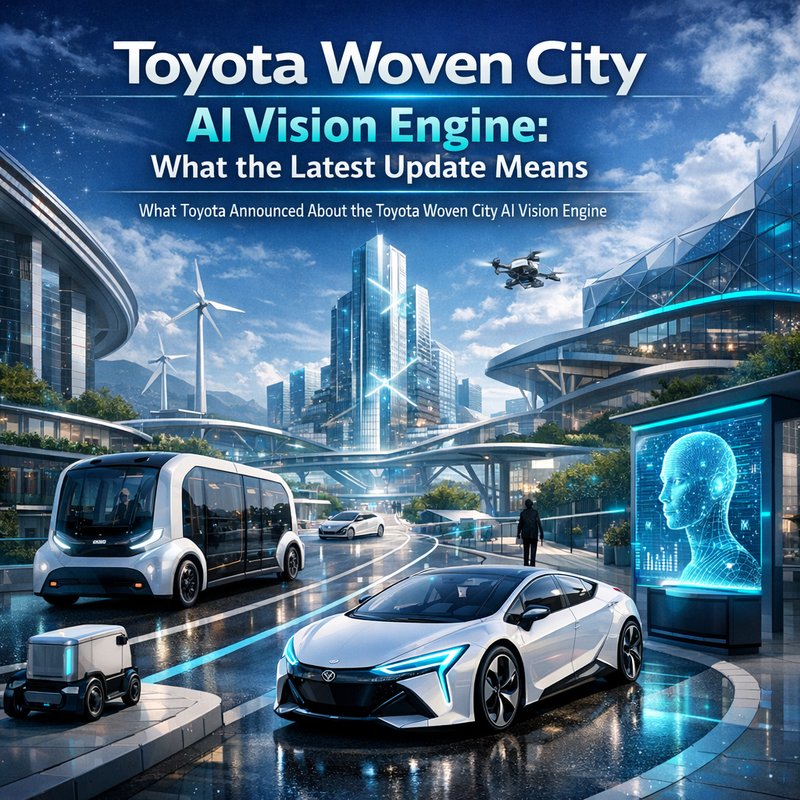
Toyota’s new capabilities for the Toyota Woven City AI Vision Engine were announced on Sep 25, 2026. Here’s what it means for real-world AI vision and how to evaluate reliability.
A practical guide to building local NPU agents that run AI on nearby hardware. Learn model choices, GAIA Framework basics, and simple steps to get started.
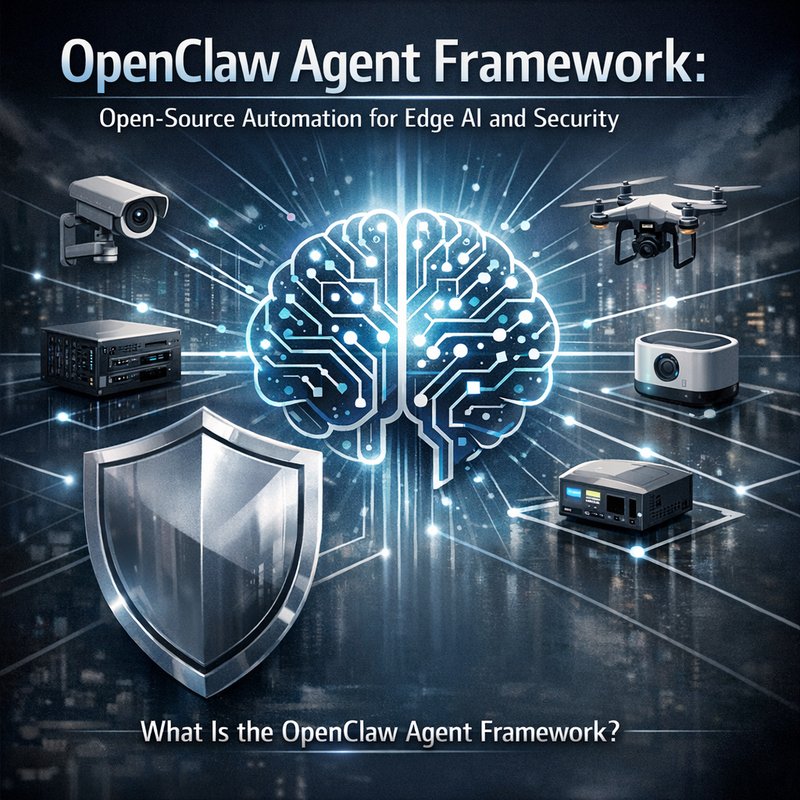
The OpenClaw agent framework is an open‑source platform that lets developers build autonomous agents for edge AI and security. It runs as a single binary, supports multi‑profile setups, and includes self‑healing and token‑lock isolation.
YOLO26 Edge AI Vision is a lightweight, high‑accuracy object‑detection model designed for edge devices. It’s 30 % smaller than YOLOv8, runs 25 fps on a Raspberry Pi 4, and achieves 58 % mAP on COCO.
YOLO26 Edge AI Vision is a lightweight, high‑speed object‑detection model that runs on edge devices like Raspberry Pi and Jetson Nano. It offers sub‑millisecond inference and high accuracy, making it ideal for real‑time applications.
Synthetic data reinforcement learning lets AI models generate, edit, and learn from their own data, boosting accuracy while cutting training costs. Learn how it works, its benefits, and how developers can start using this new technique.
TinyML fall detection turns a cheap accelerometer and micro‑controller into a privacy‑first, battery‑powered device that can spot accidental drops in real time. The guide covers hardware, data collection, model training, quantization, and deployment.
TinyML emotion detection lets a small micro‑controller read facial emotions in real time, all on a coin‑cell battery. The guide covers hardware, dataset creation, model training, quantization, and deployment on ESP32‑C3.
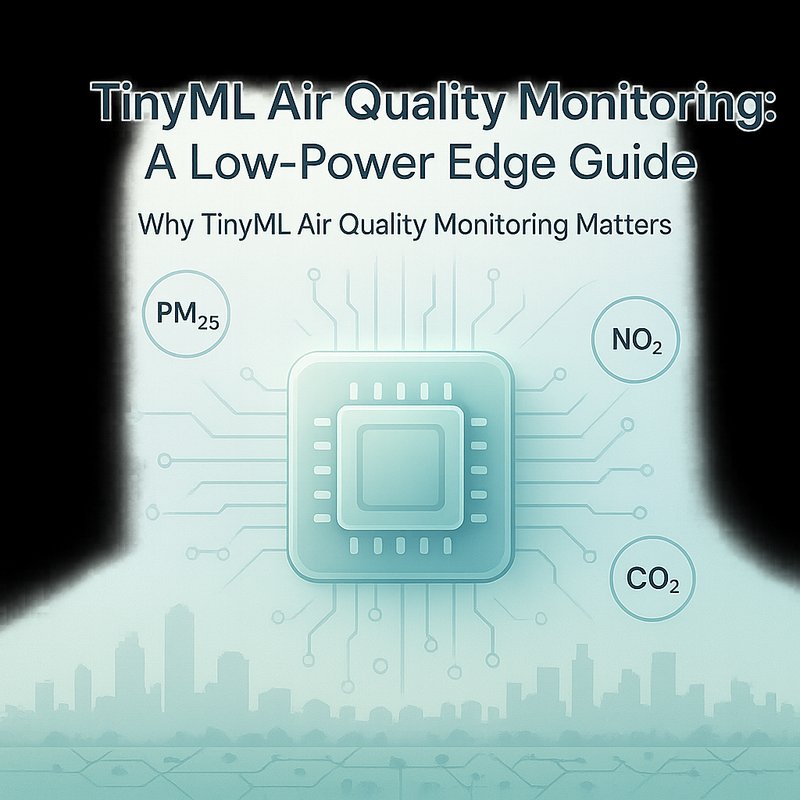
TinyML air quality monitoring lets you build a low‑power, privacy‑first device that predicts indoor air quality on an ESP32‑C3. The guide covers sensor selection, data collection, model training, quantization, and deployment.
TinyML indoor positioning lets everyday devices figure out where they are inside buildings using BLE beacons and a small neural net that runs on microcontrollers. This guide covers data collection, training, quantization, and deployment.