Persona Looting Threatens OpenClaw Agents – What to Do
Persona Looting is a new malware that steals the cryptographic skeleton key of OpenClaw agents. This article explains how it works, why it matters, and how to protect your AI workflows.

Persona Looting is a new malware that steals the cryptographic skeleton key of OpenClaw agents. This article explains how it works, why it matters, and how to protect your AI workflows.
OpenClaw and Neura’s Router Agents are redefining AI development. This guide explains how to use Gemini 3.1, GLM‑5, and secure routing to build powerful, multi‑model workflows.

Learn why AI agent security standards matter, how prompt injection works, and a practical 10 step checklist to secure agents and plugins.

AI‑powered security monitoring uses machine learning to spot hidden threats in network logs, reducing false alarms and catching new attacks before they cause damage.
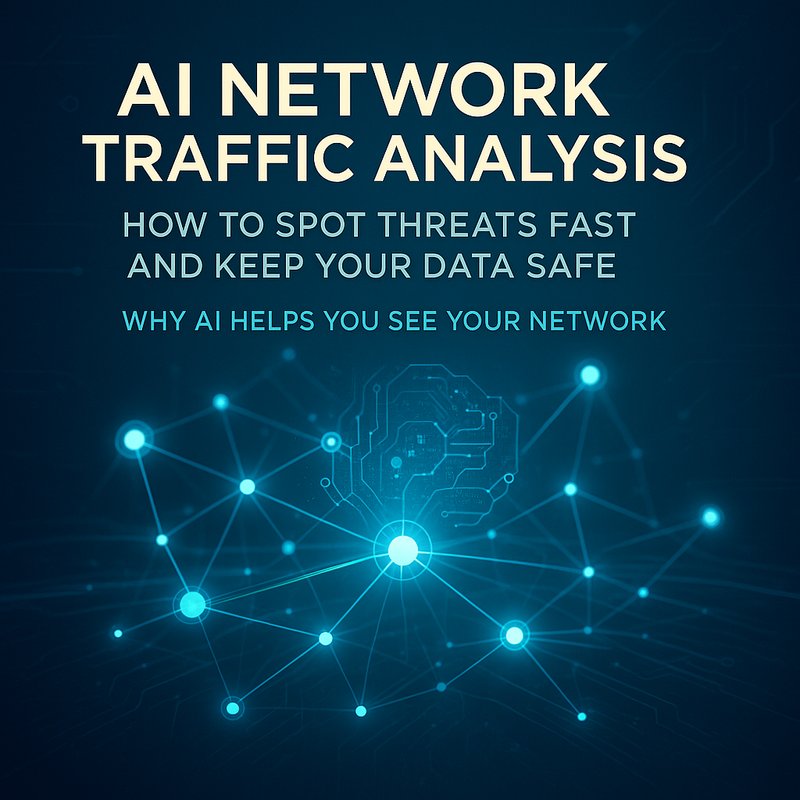
AI network traffic analysis watches every packet, learns normal patterns, and flags threats in real time, cutting false alarms and speeding up response.

AI threat hunting blends anomaly detection, behavioural models, NLP and graph analysis to uncover hidden cyber threats early.

AI cybersecurity threat detection uses machine‑learning to spot anomalies, phishing, and ransomware in real time. The article covers the core concepts, build steps, and industry success stories.

Secure Federated Learning protects data privacy by training AI models on local data and sharing only encrypted updates, while guarding against poisoning, inversion, and inference attacks.
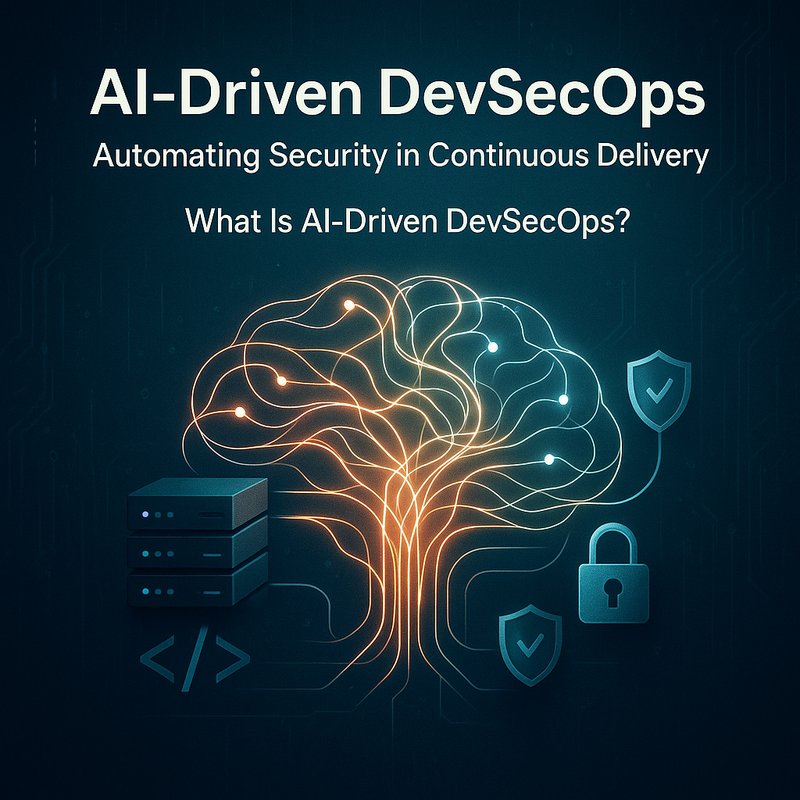
AI‑Driven DevSecOps automates security checks, policy generation, and runtime monitoring, turning safety into a continuous feature of your delivery pipeline.

Secure AI Model Deployment protects your machine‑learning models from theft, tampering, and adversarial attacks through encryption, signing, access control, and endpoint hardening.