GPT‑5.1‑Codex‑Max: A New Chapter in AI Coding Tools
GPT‑5.1‑Codex‑Max is OpenAI’s latest AI coding model that can manage large codebases, write tests, and flag security issues. It promises a new level of developer productivity and safety.


GPT‑5.1‑Codex‑Max is OpenAI’s latest AI coding model that can manage large codebases, write tests, and flag security issues. It promises a new level of developer productivity and safety.
Antigravity AI is Google’s new browser‑use platform that lets AI agents click, type, and run commands inside web browsers and IDEs. This article dives into its features, security patches, and how it can transform development workflows.
Antigravity AI brings a multi‑agent IDE to the browser, enabling instant code generation, testing, and documentation—all while addressing early security concerns.
AI workforce automation is altering the job market with robots, chatbots, and new roles. This article breaks down the benefits, risks, and how businesses can adapt.

AI‑powered security monitoring uses machine learning to spot hidden threats in network logs, reducing false alarms and catching new attacks before they cause damage.
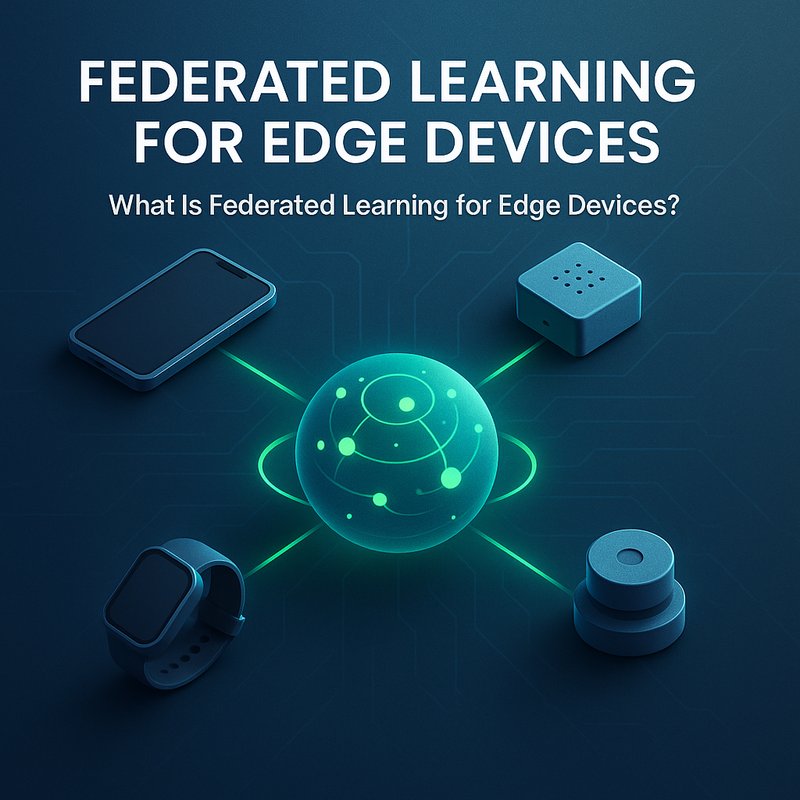
Federated learning for edge devices lets tiny gadgets learn together while keeping data private. This guide covers the basics, tools, and a smart‑home example.

AI threat hunting blends anomaly detection, behavioural models, NLP and graph analysis to uncover hidden cyber threats early.

AI cybersecurity threat detection uses machine‑learning to spot anomalies, phishing, and ransomware in real time. The article covers the core concepts, build steps, and industry success stories.

AI Cybersecurity Threat Detection uses machine learning on network logs to spot malicious activity fast, cut phishing incidents, and give teams a clearer view of threats.