OpenCrabs 0.2.2: Token Counting & Memory Improvements Explained
OpenCrabs 0.2.2 brings accurate token counting and a three‑tier memory system to help developers build smarter AI agents. This article explains the new features and how to use them.

OpenCrabs 0.2.2 brings accurate token counting and a three‑tier memory system to help developers build smarter AI agents. This article explains the new features and how to use them.
The OpenCrabs 0.2.2 update refines token counting with the official `tiktoken` library and introduces a three‑tier memory architecture, making AI more reliable and easier to manage.
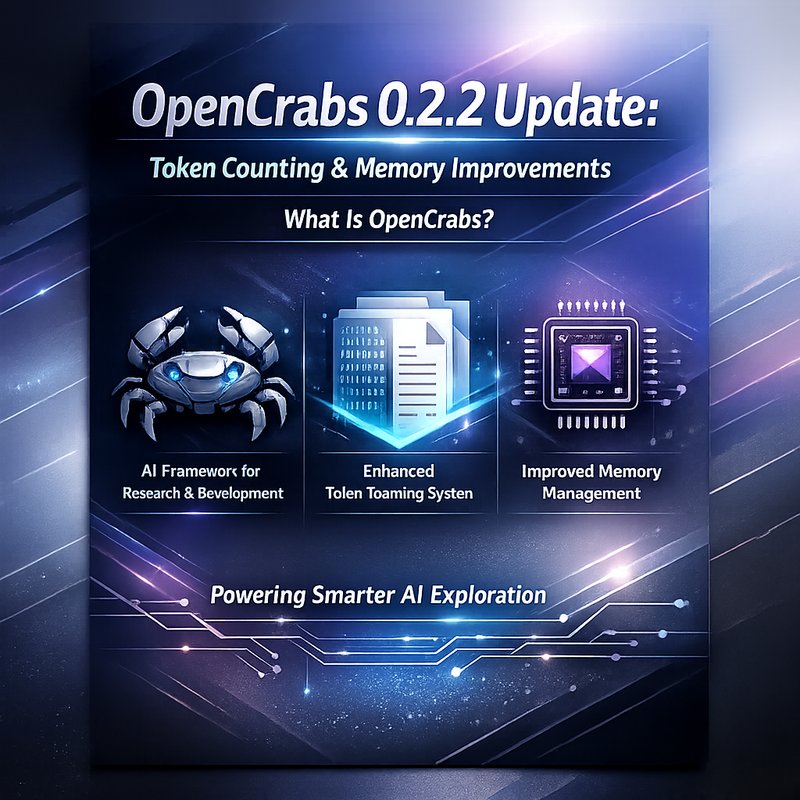
OpenCrabs 0.2.2 introduces precise token counting, earlier memory compaction, and a new config manager tool. These updates help developers keep AI agents within budget and context limits.
OpenClaw’s latest release adds native Gemini 3.1 support, thread‑bound subagent sessions, Discord streaming, and mobile gateways. This guide explains how to get started and why it matters for developers.
OpenClaw 2026.2.21 brings Gemini 3.1 and GLM‑5 into the agent framework, fixes token counting, and adds live config reload.

A hands on guide to Agent Identity Security. Learn how to give agents short lived identities, scope access, sandbox actions, and run audits.
Agentic workflows GitHub turn Markdown intent into automated actions. This guide explains how they work, real risks, and a checklist to deploy them safely.
Learn how to use plain language and AI agents to build app prototypes fast. Step by step tips, tool list, and simple architecture.
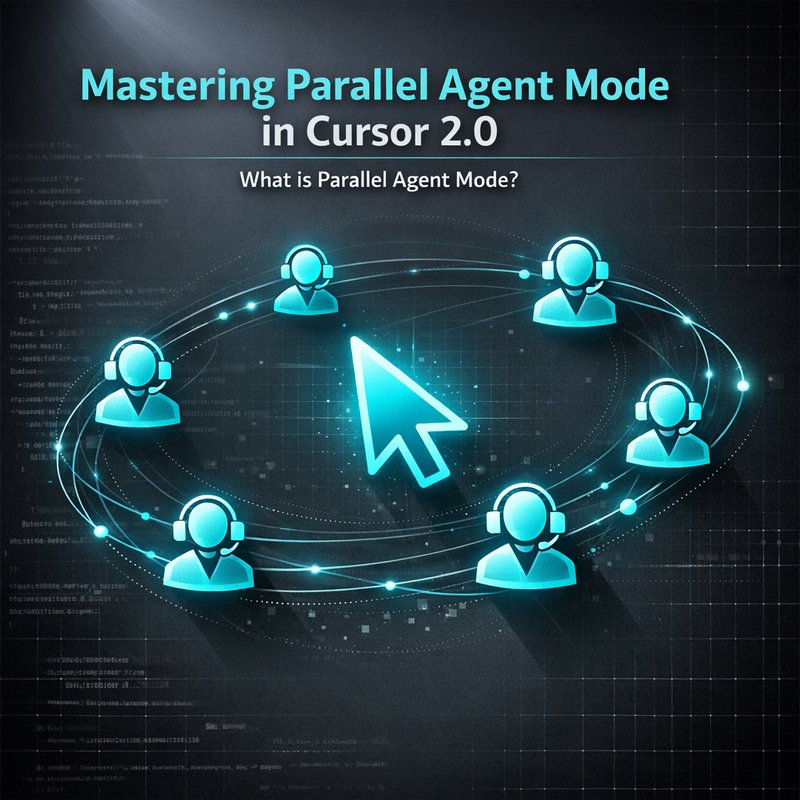
Parallel Agent Mode in Cursor 2.0 lets you run up to eight AI agents at once, each on its own branch. This speeds up feature delivery, reduces merge conflicts, and keeps your codebase clean.
Vibium is a new open‑source browser automation tool that lets AI agents and humans work together on the web. It’s AI‑first, secure, and easy to use for testing, scraping, and workflow automation.