OpenClaw Agent Platforms
A clear, practical guide to OpenClaw agent platforms. Learn risks, policy as code, open tools, and a safe rollout plan.

A clear, practical guide to OpenClaw agent platforms. Learn risks, policy as code, open tools, and a safe rollout plan.
Agentic workflows GitHub turn Markdown intent into automated actions. This guide explains how they work, real risks, and a checklist to deploy them safely.
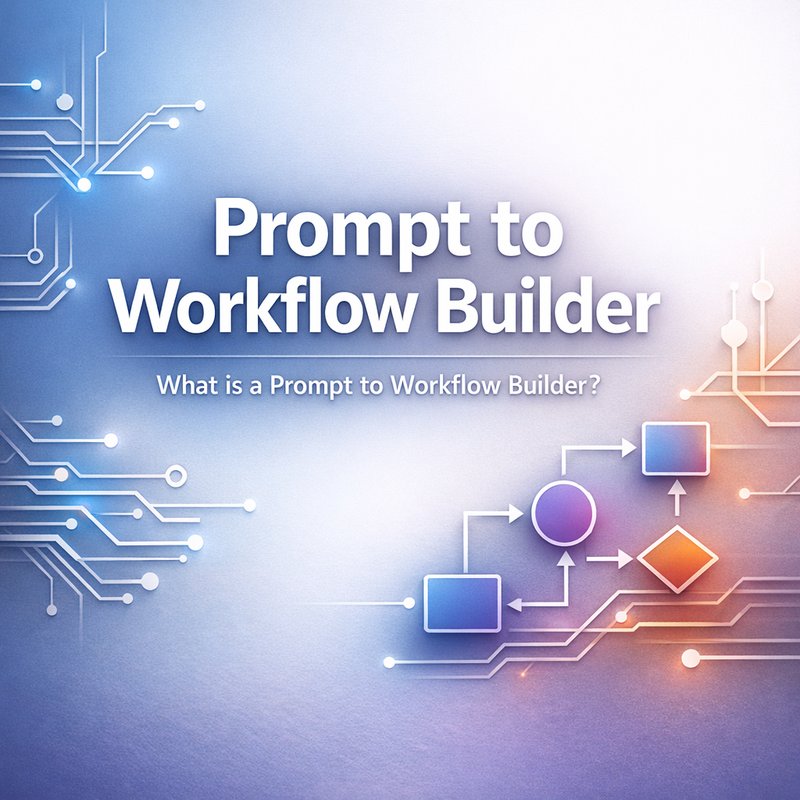
This guide explains Prompt to Workflow Builder tools, how they mix local and cloud models, and step-by-step templates to build automations with n8n and OpenClaw.
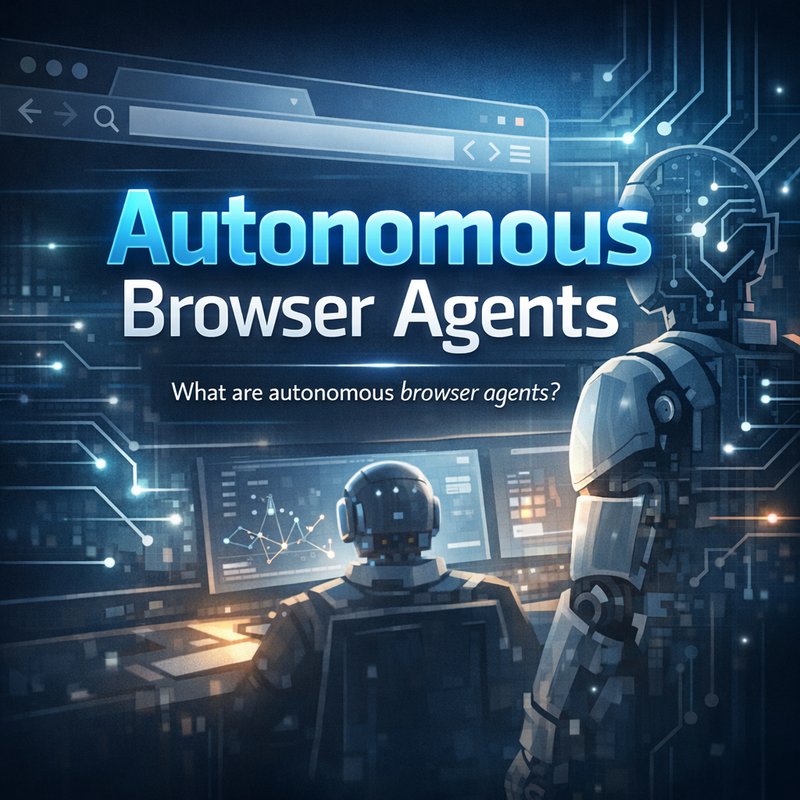
A practical guide that explains what autonomous browser agents are, how they work, and how to build them safely with tools like Playwright and n8n.

Agent Browsers let AI programs click, scroll, and type on websites just like a human. This guide explains what they are, how they work, and why they matter.

Browser‑Use AI automation is an open‑source Python library that lets developers control web browsers with AI‑powered decisions. This guide covers installation, basic usage, advanced features, and real‑world use cases.
AWS Frontier Agents bring autonomous coding, security, and deployment into one ecosystem. This article explains how Kiro, the Security Agent, and the DevOps Agent work together to speed up delivery and improve code quality.
Antigravity AI is Google’s new browser‑use platform that lets AI agents click, type, and run commands inside web browsers and IDEs. This article dives into its features, security patches, and how it can transform development workflows.
AI coding assistants are reshaping programming by automating coding, testing, and deployment.
AI agent automation is reshaping browser workflows. This guide explains how tools like DeepAgent, Agent 365, and Antigravity use models such as Gemini 3 Pro to automate tasks, with step‑by‑step instructions for developers and teams.