Autonomous Browser Agents
Adolfo Usier2026-02-14T06:34:13+00:00A practical guide that explains what autonomous browser agents are, how they work, and how to build them safely with tools like Playwright and n8n.

A practical guide that explains what autonomous browser agents are, how they work, and how to build them safely with tools like Playwright and n8n.
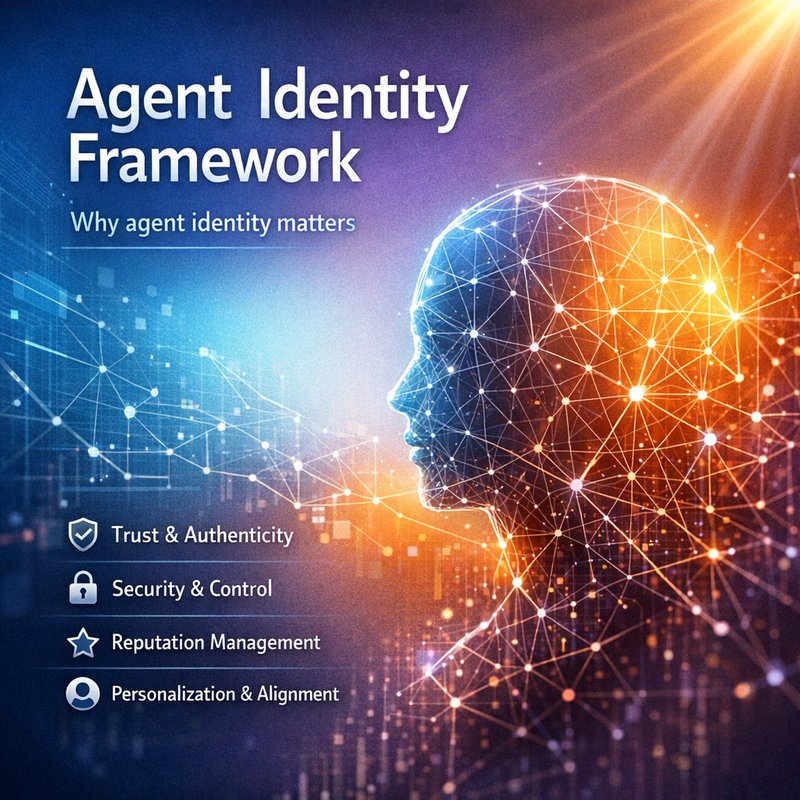
A practical guide explaining how an agent identity framework gives autonomous agents verifiable keys and signed claims. Includes checklist and real examples.
Claude Opus 4.6 brings a 1‑million‑token context window, Adaptive Thinking, Agent Teams, and Mid‑Turn Steering. This review covers its new features, compares it to GPT‑5.3 Codex, and shows how to use it in real projects.
Agent Browsers let AI programs click, scroll, and type on websites just like a human. This guide explains what they are, how they work, and why they matter.
Learn how to use plain language and AI agents to build app prototypes fast. Step by step tips, tool list, and simple architecture.
Apple’s Xcode 26.3 release brings Anthropic’s Claude Agent and OpenAI’s Codex directly into the IDE, offering AI‑powered code completion, explanations, and generation for Swift and Objective‑C developers.

Luma Ray 3.14 delivers fast, cheap 1080p video generation with native resolution and batch mode. Ideal for marketers, educators, and developers looking to produce high‑quality clips quickly.
Claude Opus 4.6 introduces Agent Teams, letting multiple AI agents collaborate on complex tasks. This article explains the feature, its benefits, and how to start using it today.
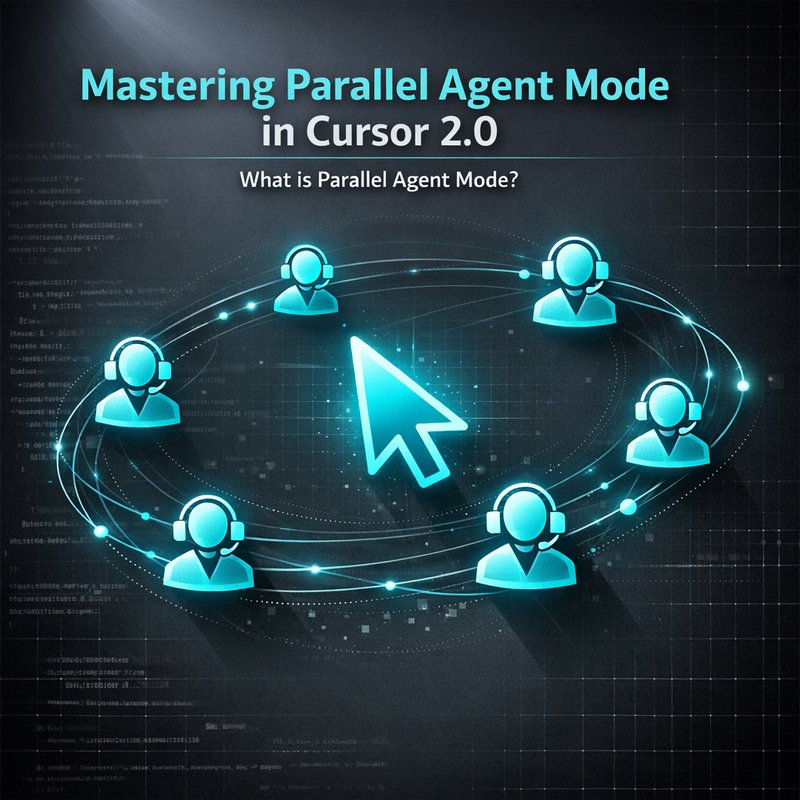
Parallel Agent Mode in Cursor 2.0 lets you run up to eight AI agents at once, each on its own branch. This speeds up feature delivery, reduces merge conflicts, and keeps your codebase clean.
Kimi K2.5 is the first open‑weight AI model with 15 trillion tokens. It offers a hybrid architecture that balances speed and accuracy, making it ideal for content creation, code generation, and research.