Federated Learning for Edge Devices
Federated Learning for Edge Devices keeps data on the device, reduces bandwidth, and builds better AI models across a fleet of devices. This guide explains the concepts, architecture, and real-world use cases.
AI cybersecurity threat detection uses machine‑learning to spot anomalies, phishing, and ransomware in real time. The article covers the core concepts, build steps, and industry success stories.
An AI digital twin for cities transforms real‑time data into a predictive, 3‑D model that helps planners optimize traffic, energy, and emergency responses.
AI Cybersecurity Threat Detection uses machine learning on network logs to spot malicious activity fast, cut phishing incidents, and give teams a clearer view of threats.
AI ocean monitoring harnesses sensors, drones, and AI to spot pollution, track fish, and keep our seas clean and productive.
An AI digital twin is a virtual replica of factory machines that learns from sensor data, predicts failures, and helps optimize production.
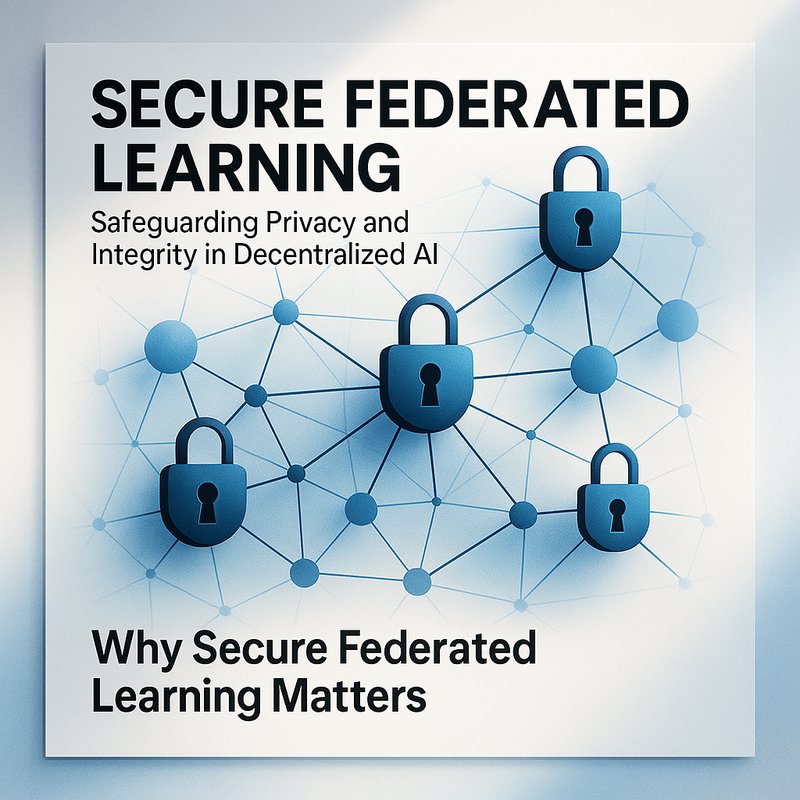
Secure Federated Learning protects data privacy by training AI models on local data and sharing only encrypted updates, while guarding against poisoning, inversion, and inference attacks.
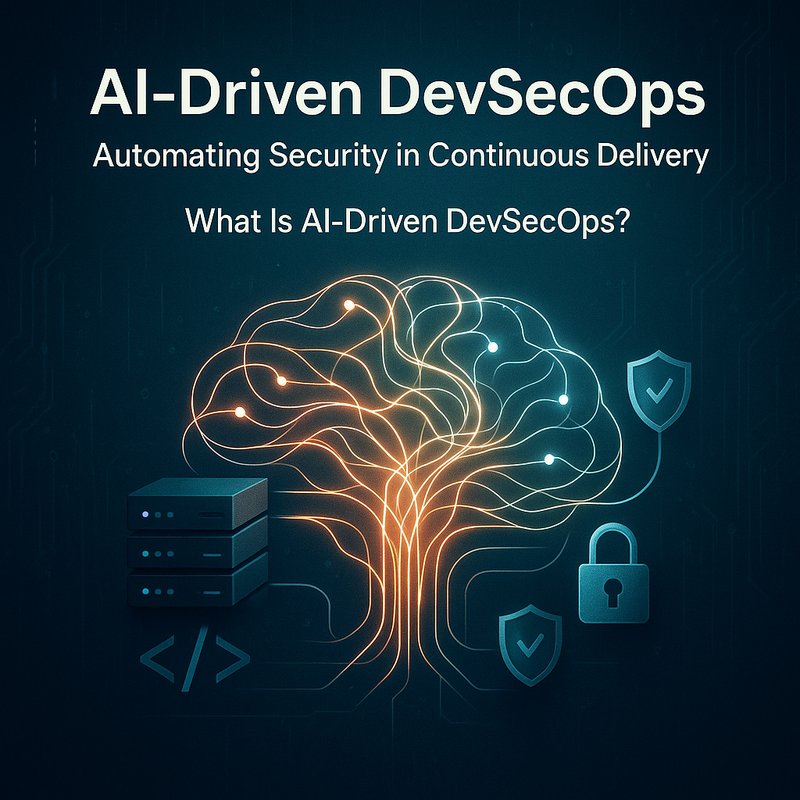
AI‑Driven DevSecOps automates security checks, policy generation, and runtime monitoring, turning safety into a continuous feature of your delivery pipeline.
Secure AI Model Deployment protects your machine‑learning models from theft, tampering, and adversarial attacks through encryption, signing, access control, and endpoint hardening.
AI Security Automation combines machine‑learning, policy enforcement, and orchestration to detect and block cyber threats instantly, turning reactive defenses into proactive security.