Embodied AI Robots
Practical guide to embodied AI robots, covering models, tools, safety, and a 6 week pilot plan to start building real world robot helpers.

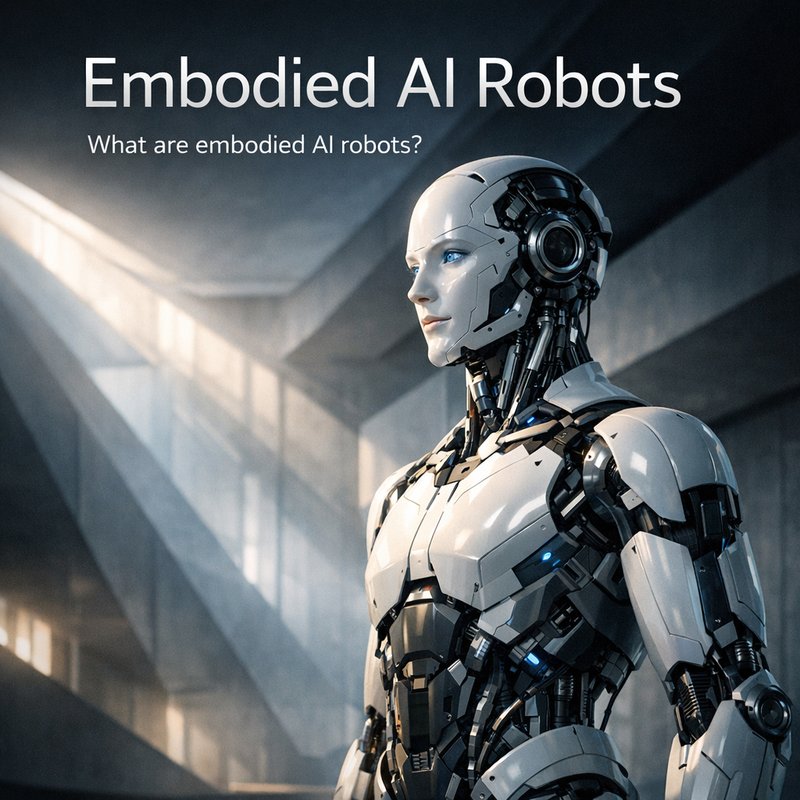
Practical guide to embodied AI robots, covering models, tools, safety, and a 6 week pilot plan to start building real world robot helpers.
NVIDIA OpenShell is a new open‑source runtime that lets developers mix GPT‑4, Claude, and local models on a single GPU or cluster. It offers a unified API, built‑in tool integration, and automatic GPU scheduling.
OpenCrabs is a Self‑Hosted AI Agent that runs locally, offers multi‑profile support, self‑healing, and easy skill development.
Self‑adapting LLMs let AI models learn from their own conversations. The SEAL framework shows how this works, offering faster updates, better personalization, and lower maintenance.
OpenCrabs AI Agent is a self‑hosted, self‑learning, and self‑healing AI assistant that runs on your own hardware. It supports multiple profiles, automatic recovery, and integration with Neura AI’s router.
Self‑adapting LLMs let AI models update themselves in real time, offering faster updates, lower costs, and improved safety. MIT’s SEAL framework demonstrates a practical approach to self‑learning.
Gemma 4 release brings a top open model under Apache 2.0. This guide explains why it matters, use cases, integration steps, and agent tips.
A clear, simple guide to Gemma 4 by Google, with use cases, comparisons, prompts, and a short build checklist for teams.
A simple guide to vision web scrapers that use OCR and visual tools to help agents extract data from modern web pages. Learn pipelines, tools, and best practices.
The OpenAI Spud model is a new multimodal AI that can read text, images, audio, and video all at once. It offers extended memory, built‑in safety checks, and new ways to build smarter chatbots, content creators, and research assistants.