Antigravity AI: The Browser‑Use AI Revolutionizing Code Development
Antigravity AI brings a multi‑agent IDE to the browser, enabling instant code generation, testing, and documentation—all while addressing early security concerns.

Antigravity AI brings a multi‑agent IDE to the browser, enabling instant code generation, testing, and documentation—all while addressing early security concerns.
AI coding assistants are reshaping programming by automating coding, testing, and deployment.
A practical guide to building, optimizing, and deploying Edge AI for IoT on low‑power devices. Learn how to train, convert, and run models on Raspberry Pi, ESP32, and more.
Europe’s AI gigafactories bring supercomputers, data sharing, and talent together under one network. Discover how they accelerate AI for hospitals, grids, and farms.
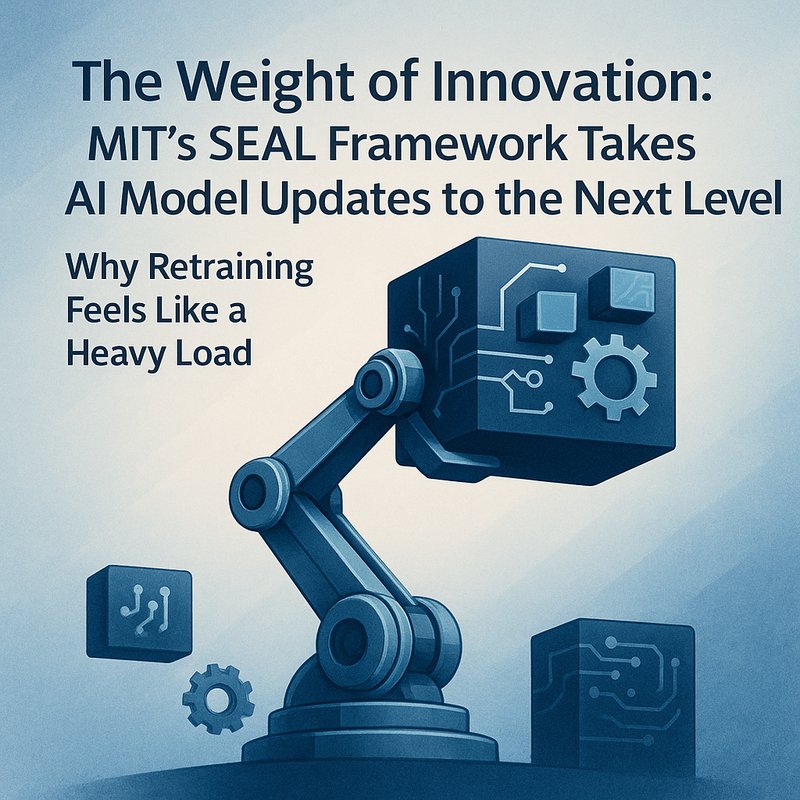
MIT’s SEAL framework equips AI models to compute their own gradients and tweak weights in real time. Learn how self-editing autogradients make AI more agile.
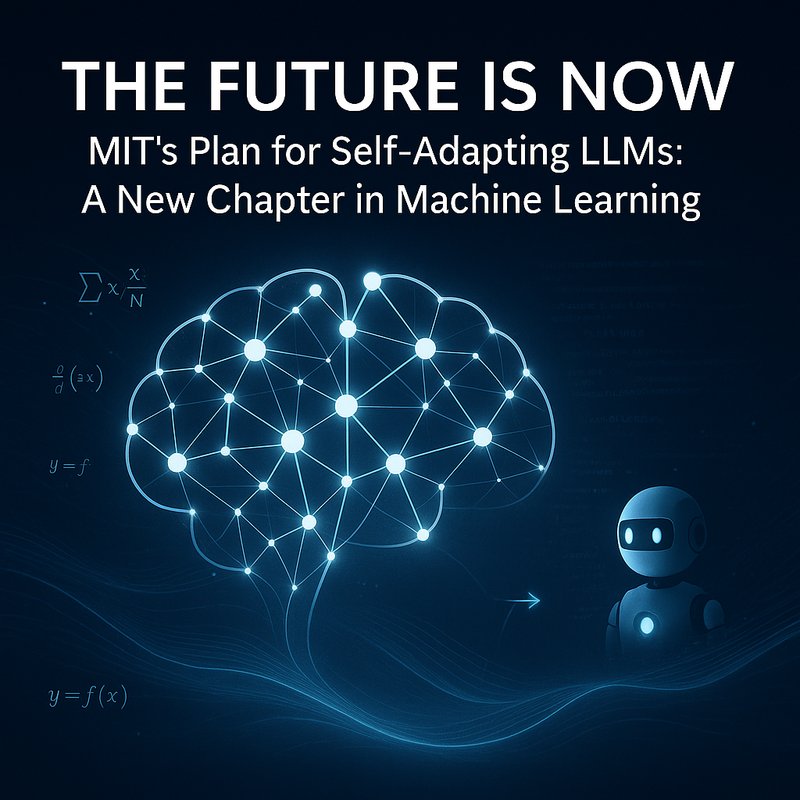
MIT’s self-adapting LLM system lets models generate their own training examples, use feedback signals, and tweak themselves in real time for better accuracy and adaptability.
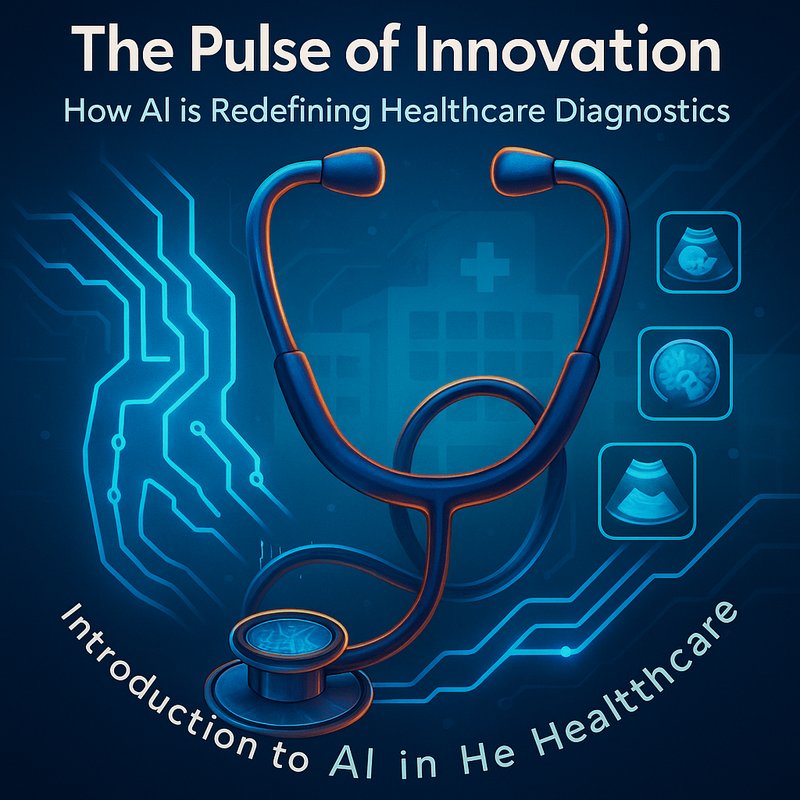
AI is reshaping diagnostics by combining imaging, ECGs, wearables and genetics to catch disease earlier and tailor treatments. Learn how smart tools are changing medicine.

MIT researchers are using generative AI for robotics to train machines in virtual environments. Robots learn to jump, land and even dive without manual reprogramming.

AI agents excel at data analysis but lack empathy and context. This article explores why combining AI power with human intuition leads to smarter decisions.

China is investing heavily to mass-produce non-binary AI chips that hold multiple states per memory cell. These analog modules aim to speed up AI, cut energy and power next-gen devices.