Google Antigravity IDE: The AI‑Powered Development Environment
Google Antigravity IDE is an AI‑powered IDE that lets developers write code using natural language. It can generate components, refactor code, debug, and deploy to Google Cloud.

Google Antigravity IDE is an AI‑powered IDE that lets developers write code using natural language. It can generate components, refactor code, debug, and deploy to Google Cloud.

Zero‑code AI application builders like VibeSDK let anyone turn ideas into full‑stack apps without writing code. This guide covers how it works, real‑world examples, and a step‑by‑step tutorial.
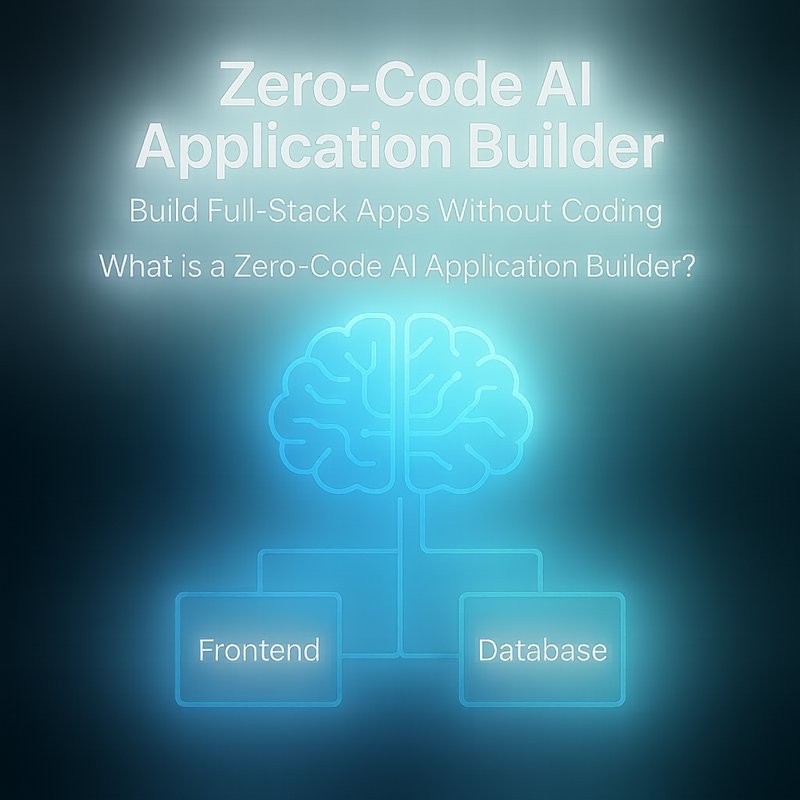
A zero‑code AI application builder lets you build full‑stack apps by simply describing what you want. VibeSDK turns those descriptions into working code, speeding up development and reducing costs.
Mistral Vibe CLI is a new open‑source tool that lets developers use AI directly from the terminal. It offers local and cloud models, easy installation, and real‑world use cases.
Mistral Vibe CLI lets developers edit code with plain English. It’s open‑source, supports multi‑file changes, and works on all major OSes.
Cloudflare’s VibeSDK lets you create full‑stack AI applications without writing code. With built‑in authentication, PWA support, and fast serverless deployment, it’s the fastest way to launch AI chatbots, recommendation engines, and more.
A practical guide to AI Debug Mode Agents, explaining the agent loop, security rules, tool links, and steps to adopt automated debugging in your team.
AI coding agents are becoming essential tools for developers, enabling faster prototyping, smarter CI pipelines, and automated documentation. This article explains how they work, the AGENTS.md standard, and future prospects.

OpenAI Swarm offers a lightweight, modular way to build teams of AI agents that share memory and collaborate on complex tasks. This guide explains the framework, compares it to other tools, and walks you through a quick start.
AWS Frontier Agents bring autonomous coding, security, and deployment into one ecosystem. This article explains how Kiro, the Security Agent, and the DevOps Agent work together to speed up delivery and improve code quality.