Artificial intelligence is no longer a single‑model playground. Today’s most powerful systems weave together dozens of models, each chosen for a specific task, and route requests intelligently between them. This is the essence of an AI agent framework – a set of tools that lets developers build, deploy, and manage complex, multi‑model AI applications with ease.
In this article we’ll explore the latest developments in AI agent frameworks, focusing on two standout ecosystems: OpenClaw and Neura’s Router Agents. We’ll look at how they differ, what new features have been added, and why they matter for developers, businesses, and the future of AI.
1. What Is an AI Agent Framework?
An AI agent framework is a platform that lets you:
- Define tasks – Break a problem into smaller steps (e.g., translate, summarize, generate images).
- Select models – Pick the best model for each step (e.g., Gemini 3.1 for text, GLM‑5 for coding).
- Route requests – Send data to the right model automatically.
- Handle state – Keep track of context, memory, and user intent.
- Integrate with tools – Connect to APIs, databases, or custom services.
Think of it as a smart dispatcher that knows which AI model is best for each job and can switch between them on the fly. This reduces the need for manual coding, speeds up development, and improves the quality of the final product.
2. OpenClaw: A Secure, Managed VM Solution for AI Workflows
OpenClaw is a cloud‑based platform that offers managed virtual machines with persistent memory, making it easier to run large AI workloads. The latest release, OpenClaw 2026.2.21, brings several key updates:
| Feature | What It Means |
|---|---|
| Gemini 3.1 & GLM‑5 Integration | Developers can now use Google’s Gemini 3.1 and Zhipu AI’s GLM‑5 directly from OpenClaw’s interface. |
| Secure OpenClaw | Adds a hardened environment that protects data and models from unauthorized access. |
| Managed VMs with Persistent Memory | Keeps your data in RAM across reboots, speeding up model loading and inference. |
Why OpenClaw Is a Game Changer
- Ease of Use – No need to set up your own GPU clusters. Just spin up a VM and start training or inference.
- Security – Built‑in isolation and encryption keep sensitive data safe.
- Scalability – Add more VMs or switch to larger instances as your workload grows.
OpenClaw’s integration with Gemini 3.1 and GLM‑5 means you can combine the best of Google’s and Zhipu AI’s models in a single workflow. For example, you could use Gemini 3.1 for natural language understanding and GLM‑5 for code generation, all within the same managed environment.
3. Neura’s Router Agents: The All‑In‑One AI Hub
Neura’s Router Agents are a set of AI‑powered agents that route user requests to the most suitable model or tool. They are built on top of the Neura Router API, which supports over 500 AI models through a single endpoint.
Core Capabilities
| Agent | Function |
|---|---|
| Speech‑to‑Text & Text‑to‑Speech | Convert audio to text and vice versa. |
| Email Sales Auto‑Replier | Draft replies to sales emails automatically. |
| Image Generation & Analysis | Create images or analyze existing ones. |
| Document Analysis | Summarize PDFs, extract tables, and more. |
| Contextual Assistance | Provide on‑the‑fly help based on user intent. |
| Website Customer Support | Power live chat bots for websites. |
| Audio/Video Transcription | Turn recordings into searchable text. |
| Task Management | Integrate with 30+ productivity apps. |
How It Works
- User Input – A user sends a request (text, image, audio, etc.).
- Intent Detection – The router agent analyzes the request to determine the goal.
- Model Selection – Based on the goal, the agent picks the best model (e.g., Gemini 3.1 for translation, GLM‑5 for coding).
- Execution – The request is sent to the chosen model, and the response is returned to the user.
Because the router can handle multiple models and tools, developers can build sophisticated applications without writing complex routing logic themselves.
4. The Latest Releases: Gemini 3.1, GLM‑5, and More
Gemini 3.1
Google’s Gemini 3.1 is the newest iteration of its Gemini family. It offers:
- Higher accuracy in language tasks.
- Better multimodal support (text + image).
- Reduced latency thanks to optimized inference engines.
GLM‑5
Zhipu AI’s GLM‑5 is a 754‑billion‑parameter model that excels in:
- Code generation – Handles complex coding tasks with fewer errors.
- Domain‑specific knowledge – Trained on a wide range of industry data.
- Open‑source licensing – MIT‑licensed, making it easy to integrate into commercial products.
Both models are now available in OpenClaw and Neura’s Router, giving developers a powerful toolkit for building AI applications.
5. Building a Simple Multi‑Model Workflow
Let’s walk through a quick example: building a chatbot that can answer questions, generate images, and summarize documents.
Step 1: Set Up Your Environment
# Create a new OpenClaw VM
openclaw create vm --name ai-chatbot --gpu nvidia-3090

# Install Neura Router
pip install neura-router
Step 2: Define Your Agents
from neura_router import Router
router = Router()
# Agent for answering questions
router.add_agent(
name="qa_agent",
model="gemini-3.1",
prompt="You are a helpful assistant."
)
# Agent for image generation
router.add_agent(
name="image_agent",
model="stable-diffusion",
prompt="Generate a realistic image of a sunset."
)
# Agent for document summarization
router.add_agent(
name="summary_agent",
model="glm-5",
prompt="Summarize the following document."
)
Step 3: Route Requests
# User asks a question
response = router.route("qa_agent", "What is the capital of France?")
print(response)  # Paris

# User wants an image
image = router.route("image_agent", "A futuristic city skyline.")
display(image)

# User uploads a PDF
summary = router.route("summary_agent", pdf_content)
print(summary)
This simple script shows how the router automatically selects the right model for each task. No need to write separate code for each model.
6. Security in AI Agent Frameworks
Security is a top concern when you’re routing sensitive data through multiple models. Both OpenClaw and Neura have introduced new standards:
- OpenClaw Secure – Adds encryption at rest and in transit, along with role‑based access controls.
- Neura Agent Security Standards – Enforce data handling policies, audit logs, and compliance checks.
These measures help protect user data and ensure that your AI applications meet regulatory requirements.
7. Real‑World Use Cases
| Use Case | How an AI Agent Framework Helps |
|---|---|
| Customer Support | Route chat messages to a language model for understanding, then to a knowledge‑base agent for answers. |
| Content Creation | Use a text generation agent for drafts, an image agent for visuals, and a summarization agent for final edits. |
| Software Development | Combine a code generation agent (GLM‑5) with a testing agent that runs unit tests automatically. |
| Data Analysis | Route raw data to a data‑cleaning agent, then to a visualization agent for dashboards. |
These examples illustrate how an AI agent framework can streamline complex workflows, reduce manual effort, and improve consistency.
8. Choosing the Right Framework for Your Project
When deciding between OpenClaw and Neura, consider:
| Factor | OpenClaw | Neura |
|---|---|---|
| Managed Infrastructure | Yes – VMs with persistent memory | No – Focus on routing logic |
| Model Variety | Gemini 3.1, GLM‑5, others via API | 500+ models via Neura Router |
| Security Features | Secure OpenClaw, encryption | Agent Security Standards |
| Ease of Integration | Simple VM setup | API‑first, plug‑and‑play |
| Cost | Pay for VM usage | Pay per request or subscription |
If you need a full cloud environment with GPU support, OpenClaw is ideal. If you want a lightweight, API‑driven solution that can route to many models, Neura’s Router Agents are the way to go.
9. Future Trends in AI Agent Frameworks
- Hybrid Models – Combining large language models with specialized vision or coding models in a single pipeline.
- Self‑Optimizing Agents – Agents that learn which models perform best for specific tasks over time.
- Open‑Source Ecosystems – More frameworks will adopt MIT or Apache licenses, encouraging community contributions.
- Regulatory Compliance – Built‑in tools for GDPR, HIPAA, and other data‑privacy standards.
These trends point to a future where AI frameworks become the backbone of every intelligent application.
10. Conclusion
AI agent frameworks are reshaping how we build and deploy intelligent systems. OpenClaw’s secure, managed VMs and Neura’s versatile Router Agents give developers the flexibility to mix and match models like never before. With the latest releases of Gemini 3.1 and GLM‑5, the possibilities are expanding rapidly.
Whether you’re a startup building a chatbot, a data scientist autom workflows, or an enterprise looking to modernize your AI stack, understanding and adopting an AI agent framework can give you a competitive edge.
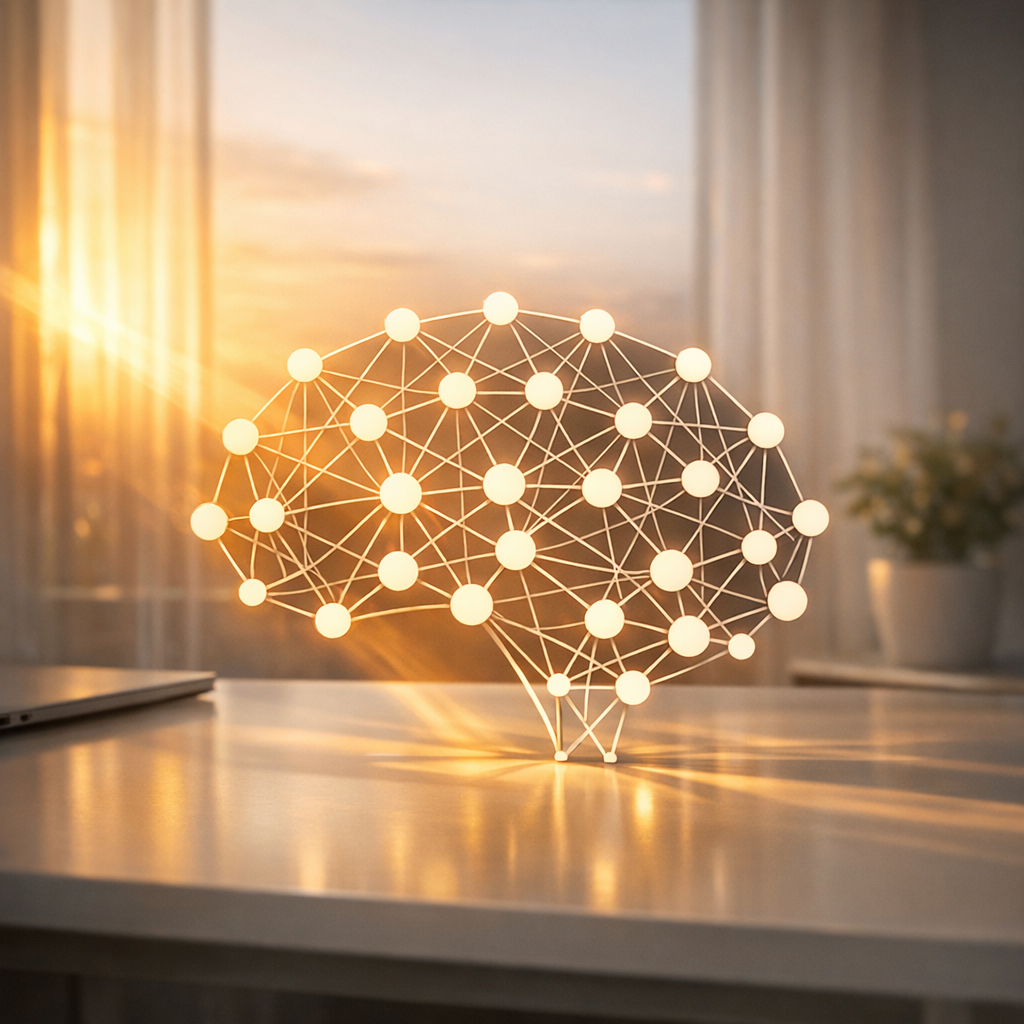
Image: Illustration of an AI agent framework architecture.
Alt text: Illustration of AI agent framework architecture showing multiple models and routing logic.