How SEAL Lets LLMs Learn on Their Own
MIT’s SEAL framework lets large language models generate their own training data and edit themselves, making AI systems more autonomous and cost‑effective.

MIT’s SEAL framework lets large language models generate their own training data and edit themselves, making AI systems more autonomous and cost‑effective.
Self‑adapting LLMs let AI models learn from their own conversations. The SEAL framework shows how this works, offering faster updates, better personalization, and lower maintenance.
Self‑adapting LLMs let AI models update themselves in real time, offering faster updates, lower costs, and improved safety. MIT’s SEAL framework demonstrates a practical approach to self‑learning.
Self‑Adapting LLMs let a model learn from its own conversations. The SEAL framework from MIT lets the model write study sheets and self‑edit, making it useful for education, support, and autonomous agents.
Self‑adapting language models can learn from real‑world use, generate their own training data, and keep improving without full retraining. This article explains how they work, their benefits, and the challenges they face.
DeepSeek V4 architecture introduces manifold‑constrained hyper‑connections, a new way to keep long‑range context in transformer models. This design makes the model lighter, faster, and more accurate for code generation and multi‑step reasoning.
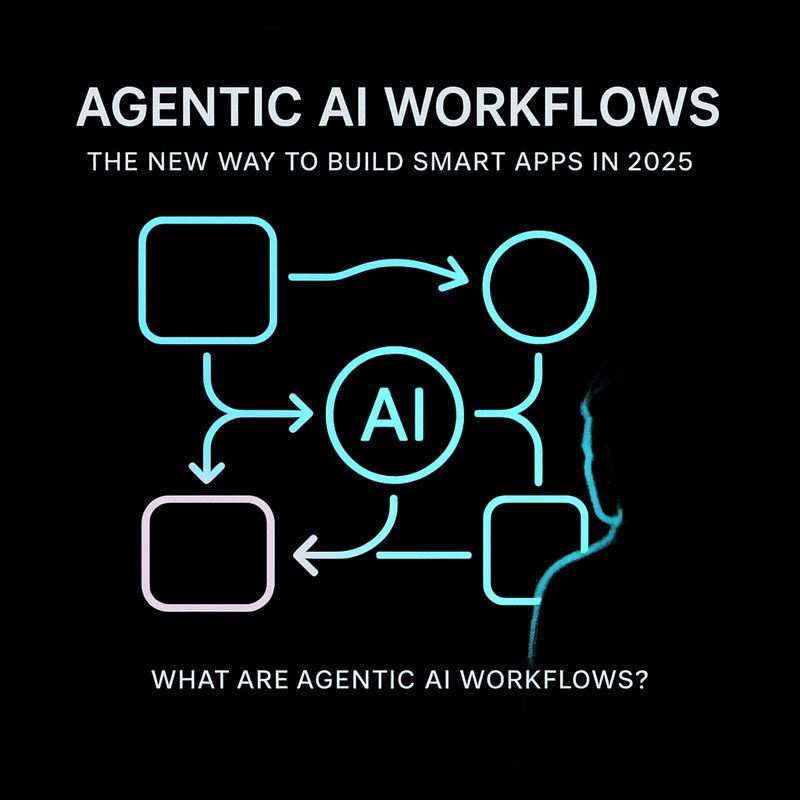
Agentic AI workflows let developers create smart, modular systems that automate complex tasks. This guide explores tools, best practices, and real‑world examples for 2025.
Agentic AI frameworks such as SEAL and DeepResearch empower models to plan, act, and learn. This article covers new model releases, practical guides, and how to integrate them into your projects.
MIT’s self-adapting LLM system lets models generate their own training examples, use feedback signals, and tweak themselves in real time for better accuracy and adaptability.